
Brazil Votes in 2026: How Does the Election Actually Work?
Brazil will hold its first round of national elections on October 4, 2026. If a second round is necessary for president or governor, it will take place on October 25. Voting takes place from 8 a.m. to 5 p.m., using Brasília time across the country.
But what exactly are Brazilians choosing?
This year, voters will elect the president, governors, federal deputies, state or district deputies and senators. There is one unusual detail in 2026: each voter can choose two senators, because two-thirds of the 81 seats in the Senate are being renewed. That means people will make six choices on the electronic voting machine.
The order is: federal deputy, state or district deputy, first senator, second senator, governor and finally president. A wonderfully efficient moment to discover that remembering six candidate numbers is harder than remembering every password you have ever created.
Voting is for literate Brazilian citizens from 18 to 70 years old. It is for 16- and 17-year-olds, people over 70 and people who cannot read or write. A person can request a voter registration card from age 15, but they must be at least 16 on election day to vote. For the 2026 election, voter registration and changes to electoral records closed on May 6.
On election day, voters must identify themselves with an official photo ID or an e-Título that contains their photograph. Biometric identification may also be used as an additional check where available.
So how are the winners decided?
For president and governor, a candidate needs more than 50% of the valid votes to win in the first round. Blank and null votes are not included in this calculation. If nobody reaches that , the two candidates with the most votes compete again in the second round.
The Senate works differently. Senators are elected by simple . Because there are two Senate seats available in each state and the Federal District in 2026, the two candidates with the highest number of votes are elected. Senators serve eight-year terms.
Deputies are more complicated. Brazil uses a system for federal, state and district deputies. A vote helps both the individual candidate and their political party or federation. The total number of votes received by each party or federation helps determine how many seats it receives, and those seats are then filled by its qualifying candidates according to the electoral rules. This means that simply being one of the most-voted candidates does not automatically guarantee a seat.
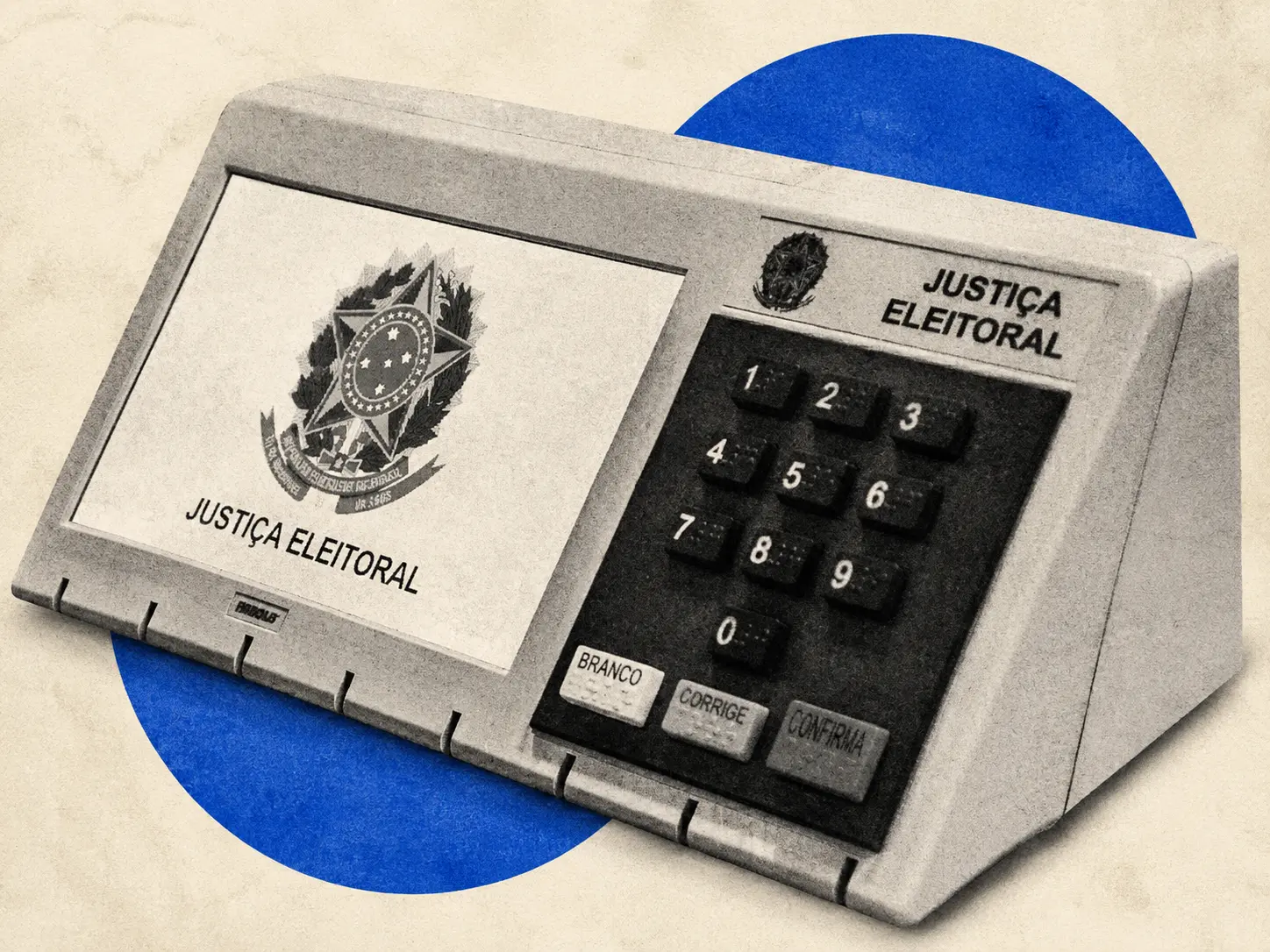
Brazil has used electronic voting machines nationwide for decades. Before and during elections, the systems go through different types of tests, inspections and procedures. For the 2026 election, the source code has also been available for inspection by authorised organisations as part of the electoral transparency process.
So, behind that short visit to the voting booth is a system combining direct voting, two different methods for choosing representatives and, sometimes, two separate election days.
Reading Comprehension Quiz
5 questions about the article you just read
How many choices will a Brazilian voter make in the first round in 2026?
For whom is voting optional?
When can there be a second round?
In the article, what does “proportional” refer to?
Why will Brazilians vote for two senators in 2026?