
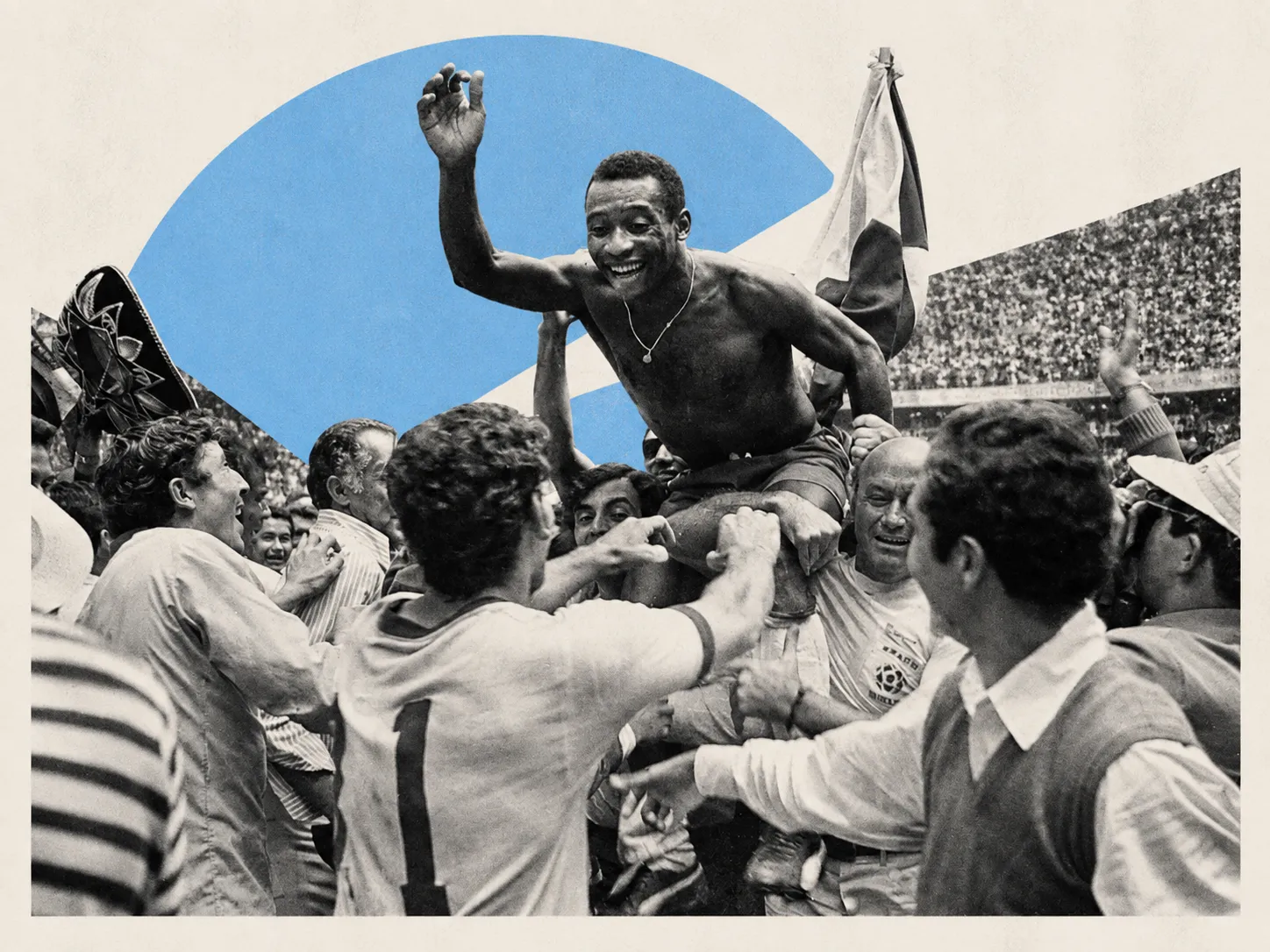
Pelé's Legacy Lives On in Brazilian Football
Years after the death of Pelé, widely regarded as the greatest footballer of all time, his on Brazilian football remains as strong as ever, shaping the culture, style, and ambitions of the sport in his home country.
Pelé won three FIFA World Cups with Brazil in 1958, 1962, and 1970, a record that still stands. His combination of technical , physical ability, and joyful playing style defined what the world came to think of as the Brazilian way of playing football.
Young players across Brazil continue to grow up watching footage of his goals and learning about his journey from poverty in Bauru, São Paulo, to global . Coaches say his story remains a powerful source of inspiration for children from disadvantaged backgrounds.
The Brazilian Football Confederation has established a in his name to support youth development programmes in underserved communities. The provides coaching, equipment, and educational support to thousands of young players each year.
Brazil's national team continues to carry the weight of his , with fans and commentators frequently measuring current players against the standards he set. The pressure can be immense, but many players say it motivates them to represent the country with the same pride and Pelé always showed.
Football historians and fans around the world continue to debate who the greatest player of all time truly is, but in Brazil, the answer remains clear. Pelé is not just a footballer — he is a national symbol of what is possible through talent, hard work, and joy.
Reading Comprehension Quiz
5 questions about the article you just read
How many FIFA World Cups did Pelé win with Brazil?
Where did Pelé's journey to global superstardom begin?
What does the foundation created in Pelé's name support?
How do many current Brazilian players describe the pressure of Pelé's legacy?
How is Pelé described at the end of the article?