
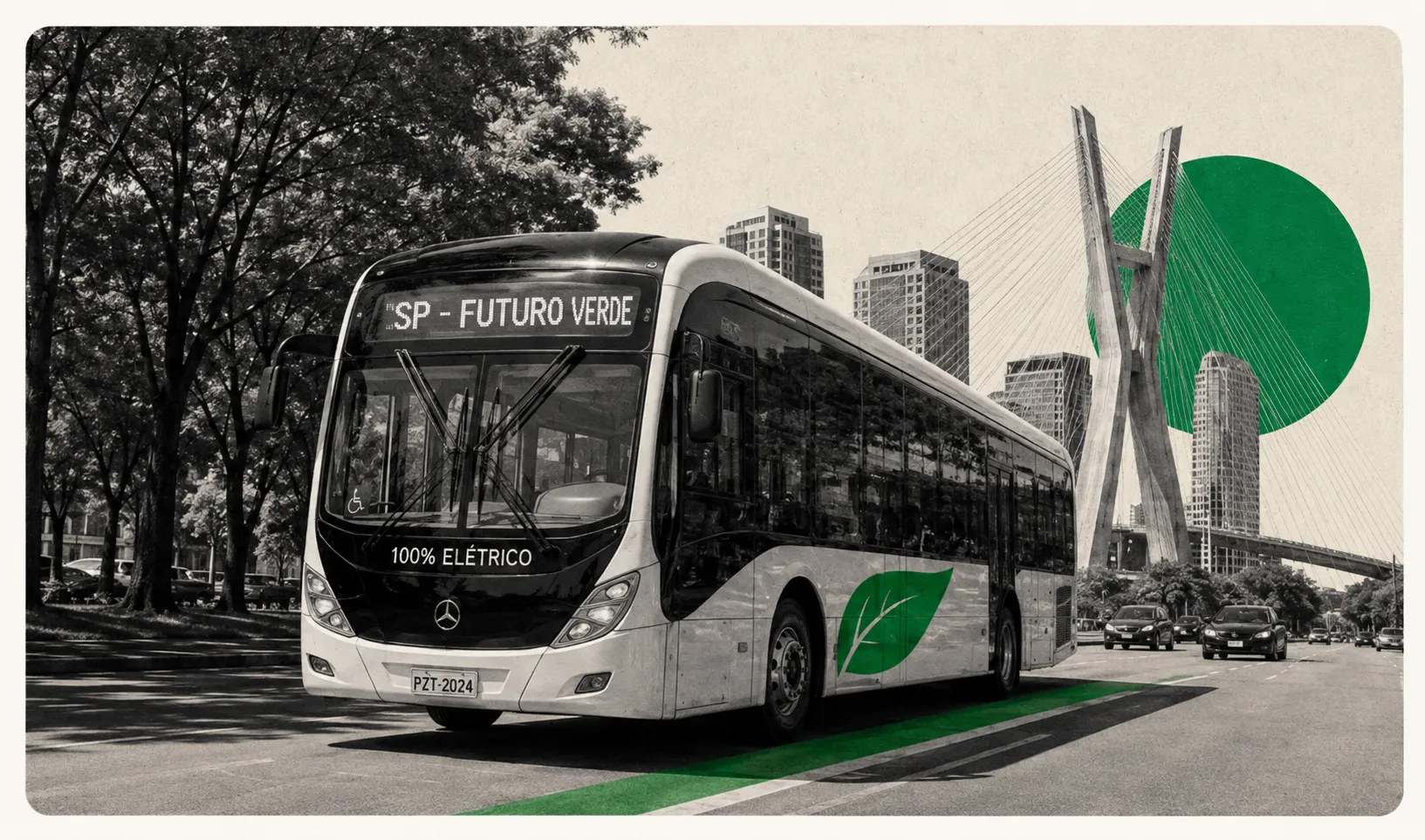
São Paulo Puts More Electric Buses on the Road to a Cleaner Future
São Paulo has launched a major of its electric bus network, adding hundreds of new zero-emission vehicles to its already extensive public transport system.
The city government announced that the new will replace older diesel buses on some of the busiest routes, reducing air pollution in areas where residents have long complained about poor air quality.
Electric buses produce no direct exhaust , which is particularly important in a city of over twelve million people where traffic and pollution are persistent challenges.
Transport officials say the new vehicles are quieter and more comfortable for passengers, and that the charging is being built alongside the rollout to ensure reliability.
Environmental groups have welcomed the move, though they note that the electricity powering the buses must also come from clean sources for the full benefit to be realised. São Paulo draws much of its power from hydroelectric plants, which are considered relatively low-emission.
The is part of a broader urban sustainability plan that includes cycling , pedestrianised zones, and for residents to use public transport instead of private cars.
Reading Comprehension Quiz
5 questions about the article you just read
What will many of São Paulo's new electric buses replace?
Why are electric buses especially useful for reducing city pollution?
What is being built alongside the rollout of the new buses?
Where does São Paulo get much of the electricity mentioned in the article?
Which action is part of São Paulo's broader sustainability plan?