
Xavante Territory Stays Protected as Farming Grows Around It
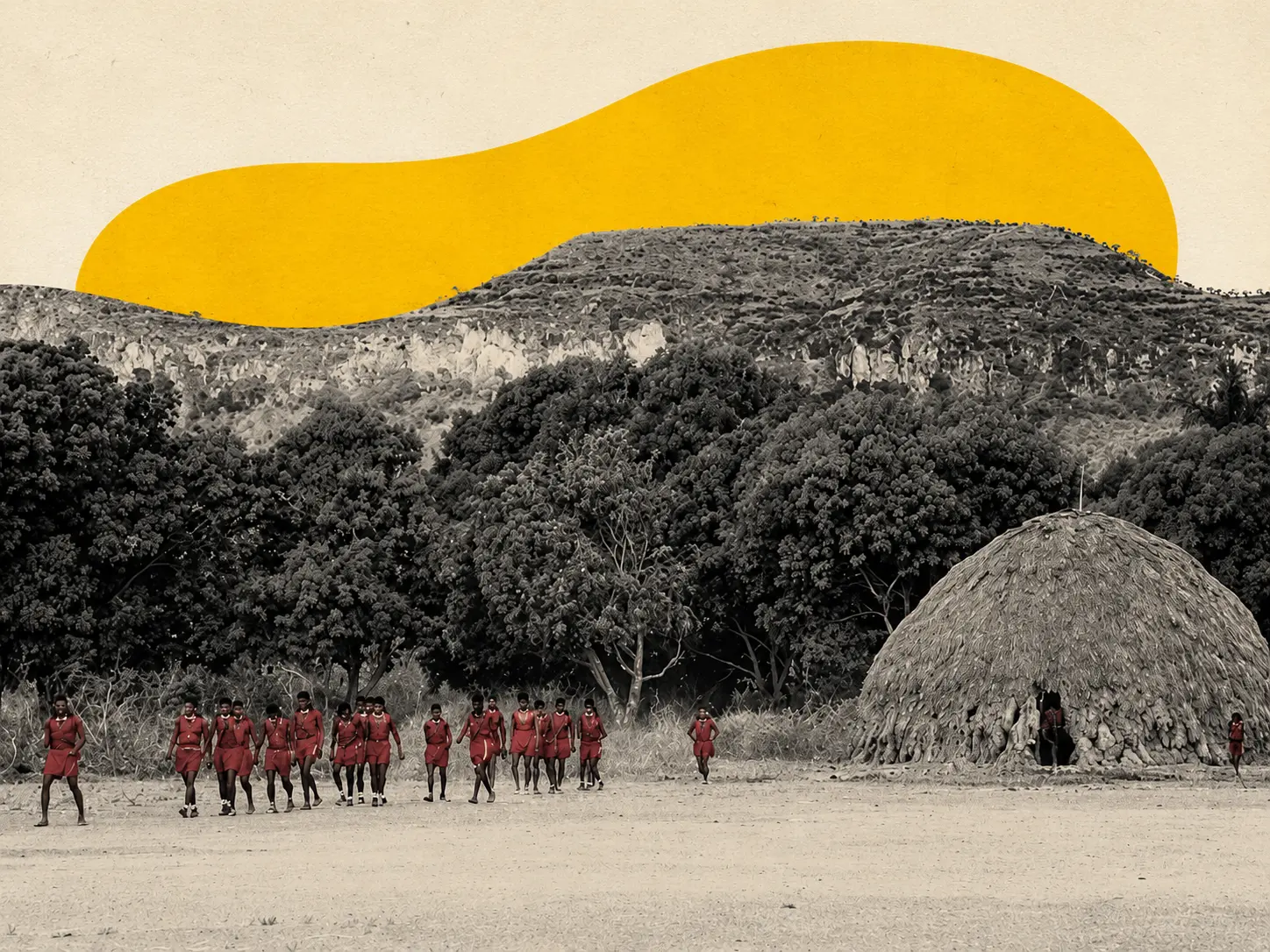
For almost 40 years, an Indigenous in Mato Grosso has kept much of its natural landscape, even while farming has expanded quickly around it. Researchers studied the Pimentel Barbosa Indigenous , home to the A’uwẽ Xavante people, in Brazil’s Cerrado region.
The research compared changes between 1985 and 2024. Scientists used satellite-based MapBiomas data to study the Indigenous land and a 50-kilometer area around it. They found that the remained largely , with native savanna, forest areas and wetlands still present.
The landscape changed very differently. Over the years, large areas of native vegetation were replaced by cattle pastures and soybean farms. The researchers identified three periods of change, with agricultural activity becoming especially dominant after 2013.
This strong contrast has made the Indigenous land look like a natural “island” inside a much more heavily farmed region. According to the researchers, the result shows that Indigenous land management has played an important role in protecting local and keeping the ecosystem more stable.
The study was not based only on satellite images. Researchers also visited the and worked with members of the Xavante community. During the project, local young people learned to use a GPS-based app to collect information and begin creating their own maps. These tools can help communities with and protecting their land.
The research suggests that official recognition of Indigenous land is important, but local Indigenous also matters. For the A’uwẽ Xavante, the Cerrado is connected not only to food and natural resources, but also to culture, traditions and their way of understanding the world.
Reading Comprehension Quiz
5 questions about the article you just read
What did researchers discover about the Pimentel Barbosa Indigenous Territory?
What happened to much of the land around the Indigenous territory?
How did researchers study changes in the region?
In this article, what does “monitoring” mean?
What does the study suggest about protecting Indigenous land?